
This creamy herbed goat cheese spread is one of those little culinary secrets: simple to make, endlessly versatile, and wildly impressive. Whether you’re elevating a slice of toast, dolloping it into a tart, or scooping it up with crackers and crudités, this spread brings big flavor with minimal effort.
Jump to Recipe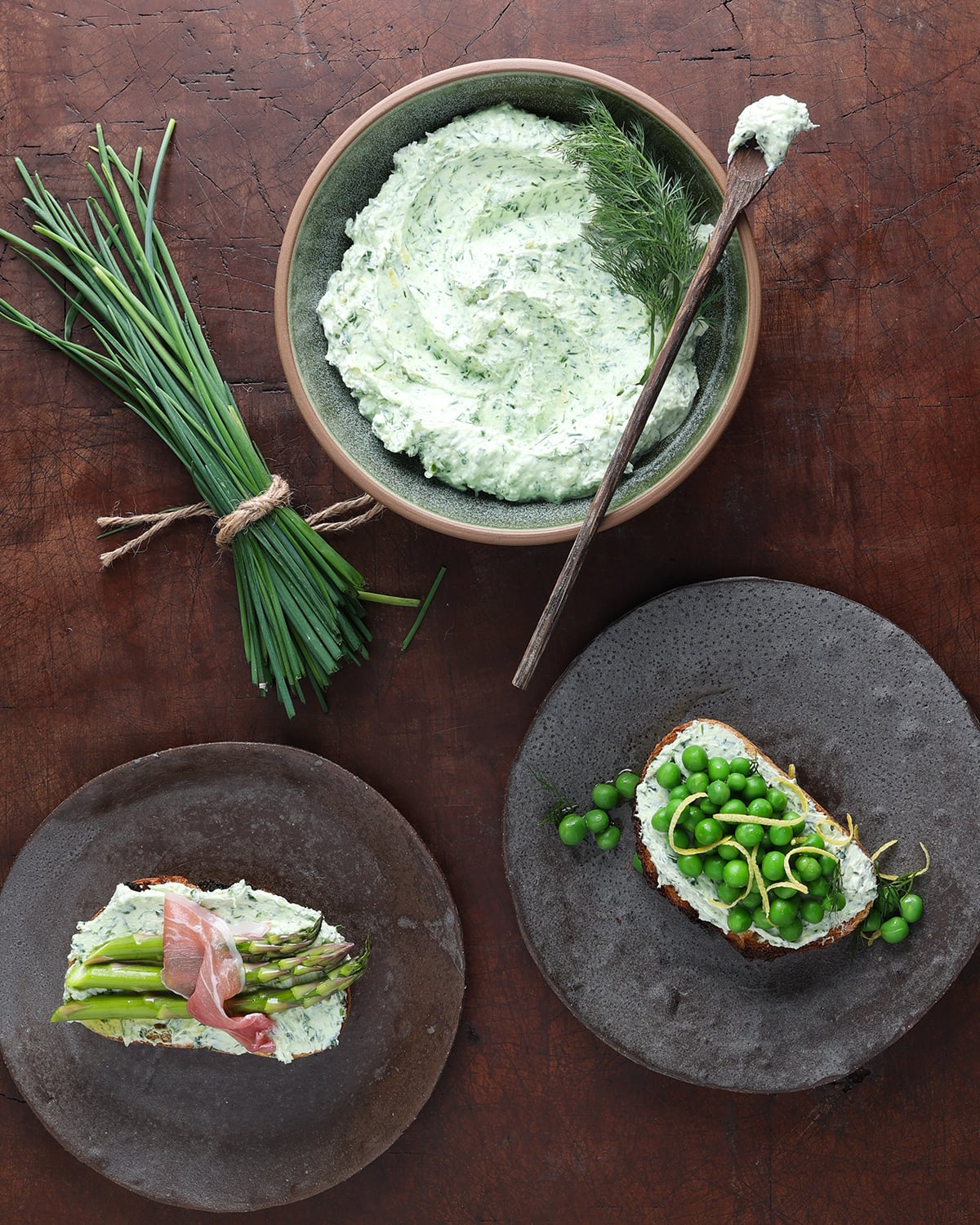
Why You'll Love This Herbed Goat Cheese Spread
If you’ve got a log of goat cheese and a handful of fresh herbs, you’re halfway to one of the easiest crowd pleasers I know. This Herbed Goat Cheese Spread is creamy, zesty, and utterly fresh, ready to be slathered on crackers, tucked into sandwiches and wraps, or dolloped onto roasted veggies. It’s the kind of effortless elegance that brings your table to life, whether it’s a spring brunch or an impromptu snack. Bonus? It takes minutes to make and can be prepped days in advance.
Jump to:
- Why You'll Love This Herbed Goat Cheese Spread
- What to Use This Goat Cheese Spread On
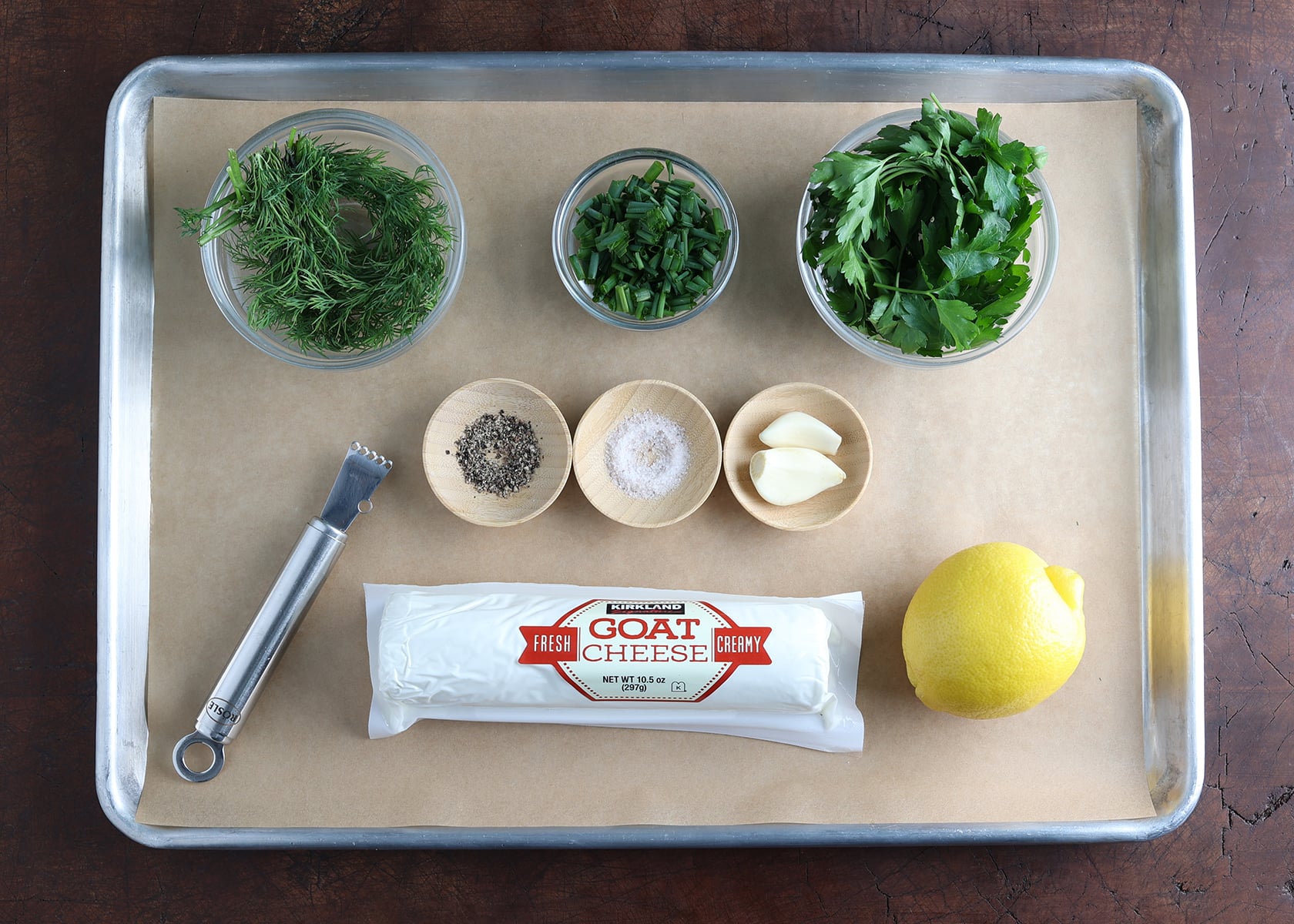
- INGREDIENTS FOR THIS RECIPE
- How to Make Herbed Goat Cheese Spread
- Expertise From My Kitchen: Why This Goat Cheese Spread Works
- WHEN THIS RECIPE SHINES
- HARVEST FACTS
- Keep Building Flavor With Me
- Featured Farmer: Rocket Farms
- EQUIPMENT NEEDED
- Herbed Goat Cheese Spread
- DIETARY CONSIDERATIONS

What to Use This Goat Cheese Spread On
One batch of this Herbed Goat Cheese Spread can transform countless meals throughout the week. Its creamy texture, bright herbs, and fresh lemon make it just as welcome at a casual weekday lunch as it is on an elegant appetizer board. Here are some of my favorite ways to enjoy it.
- Spread onto toasted artisan bread for an easy breakfast or lunch. Top with peppery arugula, sweet spring peas, warm bacon, or sliced heirloom tomatoes when they're in season.
- Layer into savory tarts and galettes. A generous layer beneath roasted vegetables creates a creamy, tangy base that complements flaky pastry beautifully.
- Build unforgettable sandwiches and wraps. Swap ordinary sandwich spreads for this fresh herb version to brighten turkey, grilled vegetables, chicken, or roast beef.
- Serve with crackers, crostini, or fresh vegetables. Pair it with crisp cucumbers, radishes, carrots, sugar snap peas, or toasted baguette slices for an effortless appetizer.
- Stir into warm grains or pasta. Fold it into farro, orzo, couscous, or freshly cooked pasta for a simple side dish with rich herb flavor.
- Finish roasted vegetables. Spoon it over roasted carrots, beets, asparagus, zucchini, or baby potatoes while they're still warm, allowing the cheese to soften into a simple sauce.
- Add it to charcuterie and grazing boards. Surround it with seasonal fruit, toasted nuts, olives, cured meats, and artisan bread for an appetizer that's as beautiful as it is delicious.

INGREDIENTS FOR THIS RECIPE
- Goat Cheese - This creamy, tangy cheese is the heart of the spread, offering a luscious base that pairs beautifully with herbs and lemon. It's rich in protein and calcium, and naturally lower in lactose than cow’s milk cheese.
- Fresh Dill - Dill brings a bright, slightly grassy flavor that gives the spread a distinctly fresh taste. Its delicate aroma makes it a standout herb for spring and summer dishes.
- Fresh Parsley - Mild and slightly peppery, parsley adds fresh green notes that balance the richness of the goat cheese. It’s also high in vitamin K and antioxidants.
- Chives - Chives lend a subtle onion-like sharpness that adds depth without overpowering the other herbs. Their freshness rounds out the herbal flavor profile.
- Garlic - Garlic brings savory intensity and aromatic warmth to the spread. Just a clove or two transforms the entire flavor experience.
- Lemon Zest - The zest adds bright citrus oils that lift and enhance every bite with a sunny, aromatic punch. It plays beautifully with both herbs and cheese.
- Lemon Juice - A splash of acidity balances the richness of the goat cheese and enhances the herbs’ vibrancy. It also helps create a creamy, smooth texture.
- Kosher Salt - Salt sharpens all the flavors and helps balance the tartness of the cheese and lemon. Kosher salt dissolves evenly without being too sharp.
- Black Pepper - Freshly ground black pepper adds a touch of earthy spice and finishes the spread with subtle warmth. Use to taste for just the right bite.
How to Make Herbed Goat Cheese Spread
Ever since I first made this Herbed Goat Cheese Spread, it's earned a permanent place in my refrigerator. I love having a batch ready because it transforms simple ingredients like warm toast, garden vegetables, or flaky pastry into something that feels just a little more special.
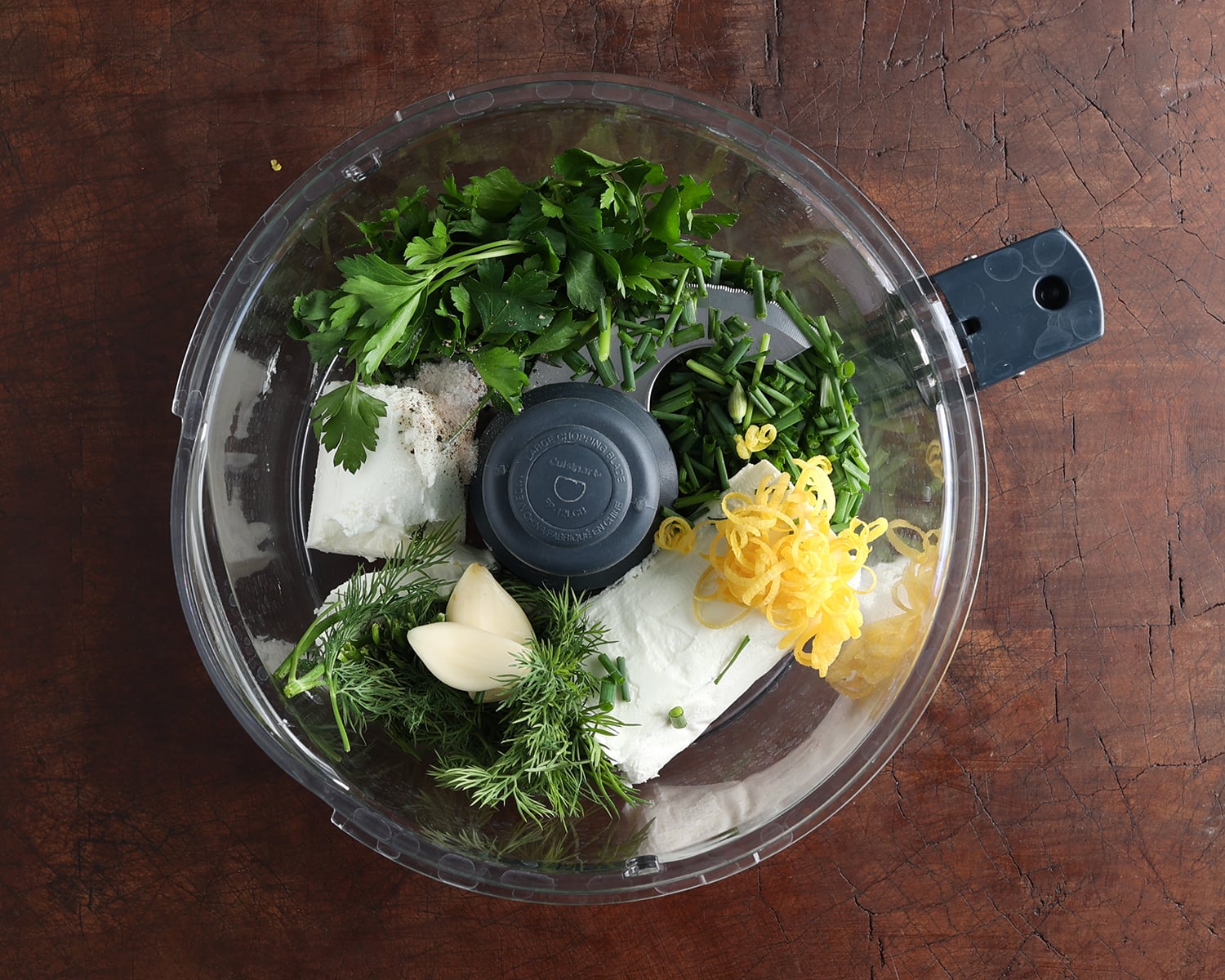
- Prepare the Ingredients: Crumble the goat cheese into the bowl of a food processor. Roughly chop the dill, parsley, and chives, mince the garlic, and zest and juice the lemon before you begin. Having everything ready makes the spread come together in minutes.
- Blend the Spread: Add the goat cheese, dill, parsley, chives, garlic, lemon zest, lemon juice, kosher salt, and a few grinds of black pepper to the food processor. Process until the mixture becomes smooth, creamy, and evenly blended, stopping once or twice to scrape down the sides of the bowl.
- Adjust the Flavor: Taste the spread and make any final adjustments. Add another squeeze of lemon juice for extra brightness, a pinch of salt to enhance the flavors, or a few more grinds of black pepper for a little warmth.
- Chill Before Serving (Optional): For the freshest herb flavor, serve immediately. If time allows, refrigerate the spread for 30 minutes so the herbs, garlic, and lemon have time to mingle, creating an even more balanced flavor.
- Serve and Enjoy: Spread generously over toasted sourdough, crostini, crackers, or fresh vegetables. It's equally delicious spooned onto roasted vegetables, tucked into sandwiches, or dolloped over savory tarts and galettes.
Expertise From My Kitchen: Why This Goat Cheese Spread Works
One of the reasons I love recipes like this is that they remind us how a few well-chosen ingredients can do extraordinary things together. Creamy goat cheese, fragrant herbs, and bright lemon each play an important role, creating a spread that's balanced, fresh, and surprisingly versatile. Understanding why these ingredients work together will help you make an even better batch every time.
Why Fresh Herbs Make the Difference
Fresh herbs contain delicate aromatic oils that are released as they're chopped and blended into the goat cheese. Those oils create the vibrant flavor and fragrance that make this spread taste so fresh. While dried herbs can work in a pinch, fresh herbs provide a brightness and complexity that's difficult to replicate.
Lemon Does More Than Add Flavor
Lemon juice and zest brighten the tanginess of the goat cheese, but they also help balance its richness. The juice provides acidity, while the zest contributes fragrant citrus oils that add flavor without additional moisture. Using both creates a cleaner, more vibrant finish than either one alone.
Resting Improves the Flavor
Although this spread is delicious immediately after blending, a short rest in the refrigerator allows the garlic, herbs, and lemon to fully infuse the cheese. As the flavors meld together, the spread becomes smoother, more balanced, and even more flavorful, making it an excellent make-ahead appetizer.
Substitutions & Swaps
This recipe is wonderfully adaptable, making it easy to customize with whatever fresh herbs you have on hand. While the flavor profile will change slightly, the creamy goat cheese provides a delicious canvas for a variety of herb combinations.
- Fresh herbs are best: If fresh herbs aren't available, substitute dried herbs using about one-third the amount. Dried herbs have a more concentrated flavor but lack the bright, aromatic oils that make fresh herbs shine.
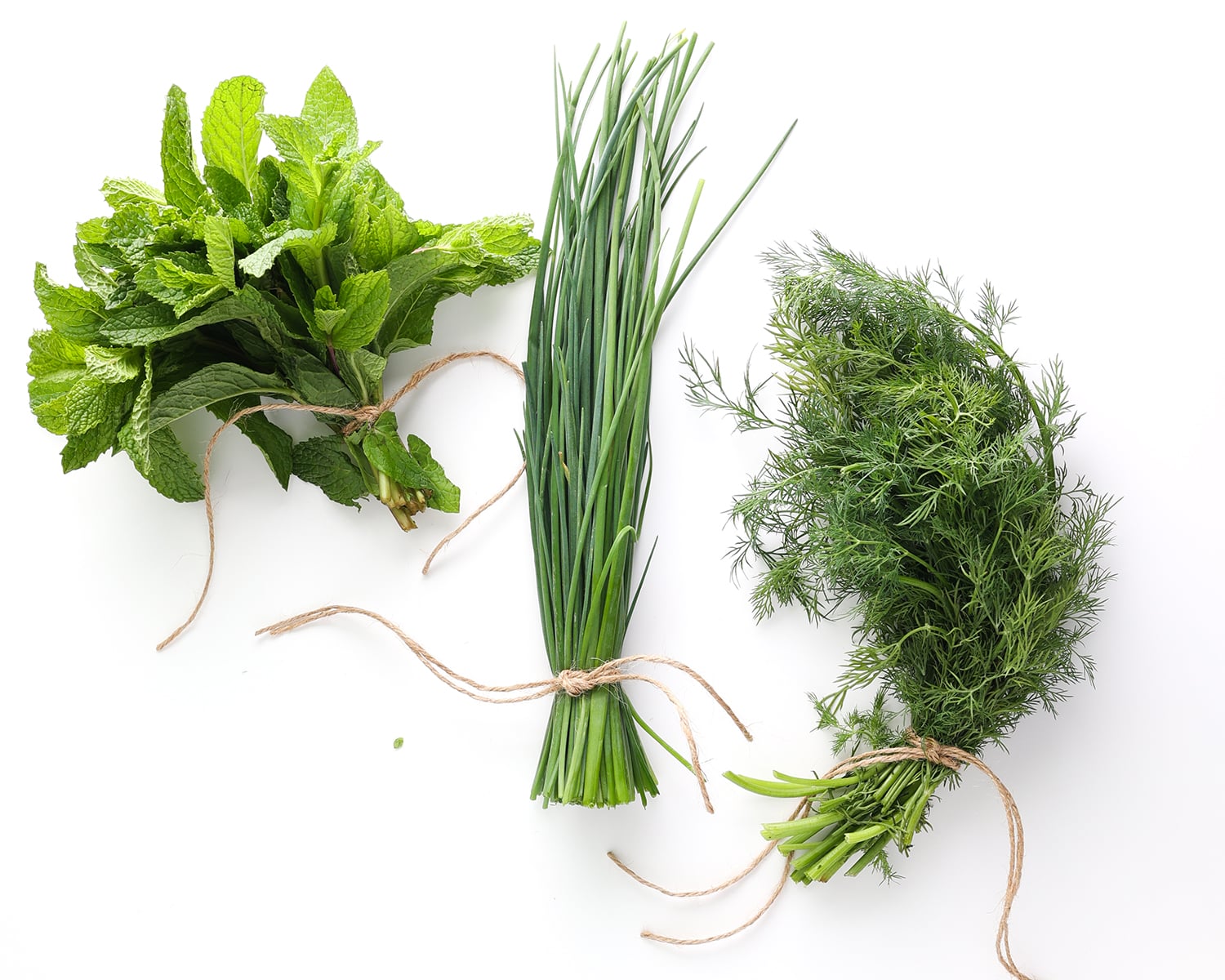
- Change the herb blend: Swap the dill for fresh basil, mint, tarragon, or thyme to create a completely different personality while keeping the same creamy base.
- No food processor? Mash the goat cheese with a fork or blend it with a hand mixer. The texture will be a little more rustic, but every bit as delicious.
- Make it creamier: Blend in a tablespoon or two of Greek yogurt, crème fraîche, or cream cheese for an even softer, more spreadable consistency.
Storage Tips
One of the best things about this recipe is that it actually improves after a little time in the refrigerator. As the herbs, garlic, and lemon mingle together, the flavors become more balanced and develop even greater depth.
- Refrigerator: Store in an airtight container for up to 5 days. For the freshest flavor, let it sit at room temperature for about 15 minutes before serving.
- Make Ahead: Prepare the spread up to 2 days in advance for parties, brunches, or entertaining. The resting time allows the herbs and citrus to fully infuse the goat cheese.
- Freezing: I don't recommend freezing this spread. Goat cheese can become grainy after thawing, and fresh herbs lose much of their vibrant texture and color.
- Freshen Leftovers: If the spread has been refrigerated for a few days, stir in a squeeze of fresh lemon juice or a sprinkle of chopped herbs just before serving to brighten the flavors.

WHEN THIS RECIPE SHINES
Fresh herbs are the heart of this recipe, making it especially rewarding during the months when gardens, farmers markets, and CSA boxes are overflowing with fragrant bundles of dill, parsley, and chives. It's equally at home on a spring brunch table, a summer charcuterie board, or alongside grilled vegetables and fresh tomatoes during the warmest months of the year.
Season:
Spring, Summer
Months:
April, May, June, July, August, September
Fun Fact
Dill, parsley, and chives are "cut-and-come-again" herbs, meaning they continue producing fresh growth after each cutting. Regular picking actually encourages many herbs to become fuller and more productive throughout the growing season. The younger leaves are also the most tender and flavorful, making frequent harvesting a win for both the gardener and the cook.
HARVEST FACTS
The beauty of this spread is that it celebrates some of the first herbs to flourish each growing season. Fresh herbs offer brighter flavors, softer textures, and more aromatic oils than their dried counterparts, making them well worth seeking out when they're in season.
- Dill: Late spring through early fall. Look for feathery, vibrant green fronds with a fresh, grassy aroma.
- Parsley: Spring through late fall, with flat-leaf parsley prized for its robust flavor and curly parsley often used as a garnish.
- Chives: One of the earliest herbs to emerge in spring, continuing to produce through summer when harvested regularly.
- Garlic: Fresh "green garlic" appears in spring, while mature bulbs are harvested in midsummer and store beautifully for months.
- Lemons: Available year-round, with many varieties reaching their sweetest, juiciest peak from late fall through early spring.
Whenever possible, purchase herbs with their stems intact and avoid bunches that are wilted or yellowing. Fresh herbs are one of the easiest ways to add vibrant flavor to everyday cooking while supporting local growers during the growing season.
Keep Building Flavor With Me
One of my favorite things about keeping a batch of herbed goat cheese in the refrigerator is that it never seems to last long. It finds its way into so many meals, from flaky pastries to simple lunches and effortless appetizers. If you're looking for a few more ways to build delicious flavor, here are some of my favorite places to start.
Turn this spread into another recipe:
- Herby Tomato Galette, where creamy herbed goat cheese bakes beneath juicy heirloom tomatoes in buttery puff pastry.
- Savory Carrot & Goat Cheese Tartlets, pairing sweet roasted carrots with flaky pastry and creamy goat cheese.
- Spread it onto warm crusty bread and serve it alongside my Simple Citrus Salad for an easy brunch or light lunch.
- Homemade Rosemary Crackers, perfect for scooping every creamy bite.
Love flavor-building condiments? Tuck these into your back pocket, too:
- Garlic Confit
- Glacéed Lemon Preserves
- Homemade Pepperoncini Mayo
- Mint Yogurt Sauce
- Hummus & Salsa Recipe Collection
I hope one recipe leads to another, one ingredient inspires the next, and together we keep discovering just how rewarding it is to cook with the seasons.

Featured Farmer: Rocket Farms
Some recipes remind us that the smallest ingredients often leave the biggest impression. Fresh herbs may be tucked into the background of a recipe, but they have the remarkable ability to brighten an entire meal with their fragrance and flavor.
That's one of the reasons I chose to feature Rocket Farms. For more than 70 years, they've been growing high-quality herbs and plants along California's coast, where the cool Pacific climate helps create ideal growing conditions. Their organic culinary herbs are carefully grown with an emphasis on quality, freshness, and sustainable practices, making it easier for home cooks to bring vibrant flavor into everyday meals.
The next time you snip a handful of fresh dill, parsley, or chives into a recipe, take a moment to appreciate the growers who nurtured those herbs from tiny seedlings to your kitchen. Behind every fresh bundle is a team of people helping all of us cook with a little more confidence and a lot more flavor.
EQUIPMENT NEEDED
- Food Processor: For blending the herbed goat cheese mixture to a smooth consistency.
- Microplane or fine grater for the lemon zest
- Citrus juicer or reamer
- Measuring cups and measuring spoons
- Rubber spatula
- Cutting board
- Sharp chef's knife
- Airtight storage container (for refrigerating leftovers)


Herbed Goat Cheese Spread
Ingredients
The Herbed Goat Cheese
- 8 ounces goat cheese (225 g), crumbled
- ¼ cup fresh dill (10 g), roughly chopped
- ¼ cup fresh parsley (10 g), roughly chopped
- 3 tablespoons chopped chives (9 g)
- 1 - 2 garlic cloves (10 g) chopped or minced
- 1 whole lemon Zested
- 1 ½ tablespoon lemon juice (22 ml)
- ¼ teaspoon kosher salt (1 g)
- Freshly ground black pepper to taste
Instructions
- Prepare the Ingredients: Crumble the goat cheese into the bowl of a food processor. Roughly chop the dill, parsley, and chives, mince the garlic, and zest and juice the lemon before you begin. Having everything ready makes the spread come together in minutes.8 ounces goat cheese, ¼ cup fresh dill, ¼ cup fresh parsley, 3 tablespoons chopped chives, 1 - 2 garlic cloves, 1 whole lemon, 1 ½ tablespoon lemon juice
- Blend the Spread: Add the goat cheese, dill, parsley, chives, garlic, lemon zest, lemon juice, kosher salt, and a few grinds of black pepper to the food processor. Process until the mixture becomes smooth, creamy, and evenly blended, stopping once or twice to scrape down the sides of the bowl.¼ teaspoon kosher salt, Freshly ground black pepper
- Adjust the Flavor: Taste the spread and make any final adjustments. Add another squeeze of lemon juice for extra brightness, a pinch of salt to enhance the flavors, or a few more grinds of black pepper for a little warmth.
- Chill Before Serving (Optional): For the freshest herb flavor, serve immediately. If time allows, refrigerate the spread for 30 minutes so the herbs, garlic, and lemon have time to mingle, creating an even more balanced flavor.
- Serve and Enjoy: Spread generously over toasted sourdough, crostini, crackers, or fresh vegetables. It's equally delicious spooned onto roasted vegetables, tucked into sandwiches, or dolloped over savory tarts and galettes.
Notes

Nutrition
DIETARY CONSIDERATIONS
The dietary categories below are provided as a quick reference to help you determine whether this recipe may fit your dietary preferences. They are intended as a helpful guide, not as medical or nutritional advice. Individual ingredients and brands can vary, so always check product labels if you have food allergies, sensitivities, or specific dietary needs.
- DF (Dairy Free): No. Contains goat cheese.
- EF (Egg Free): YES. Contains no eggs.
- GF (Gluten-Free): YES. Naturally gluten-free. (Serve with gluten-free crackers or bread if needed.)
- NF (Nut Free): YES. Contains no nuts.
- PB (Plant Based): No. Goat cheese is an animal product.
- SF (Sugar Free): YES. Contains no added sugars.
- VE (Vegetarian): YES. Contains dairy but no meat, poultry, or fish.
- VG (Vegan): No. Contains goat cheese.
- Paleo: No. Dairy is not Paleo compliant.
- Keto: YES. Naturally low in carbohydrates and high in fat.
- Whole30: No. Dairy is not Whole30 compliant.


Leave a Reply