
If you love cooking with the seasons, this guide will help you explore Fall and Winter Squash with a little more curiosity and confidence. These are the varieties you’ll most often find at grocery stores and local farm stands, and getting to know them makes choosing what to cook feel simple and exciting. As you discover your favorites, we can move into the fun part, learning what sets squash and pumpkins apart and how each one shines in the kitchen.

Jump to:
- Squash Defined
- Squash Guide: Variety, Flavor Notes, Storage
- Pumpkin Explained
- Pumpkins Guide: Variety, Flavor Notes, Storage
- Practical Tips on How to Select and Store Squash and Pumpkins
- Nutritional Benefits of Squash and Pumpkins
- Let's Cook with the Harvest
- Meet the Farms Who Grow Squash and Pumpkins
- Cultural and Culinary Heritage

Squash Defined
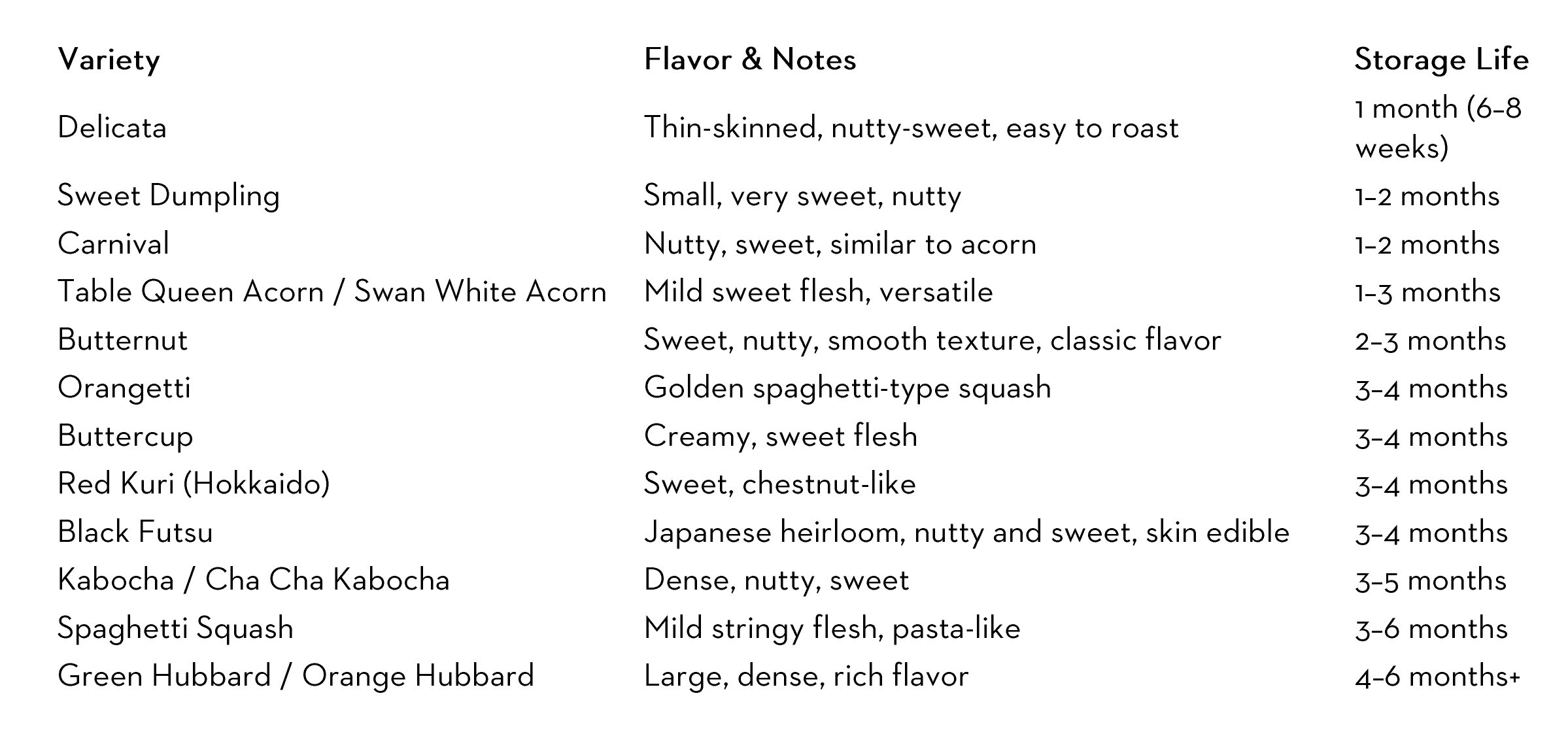
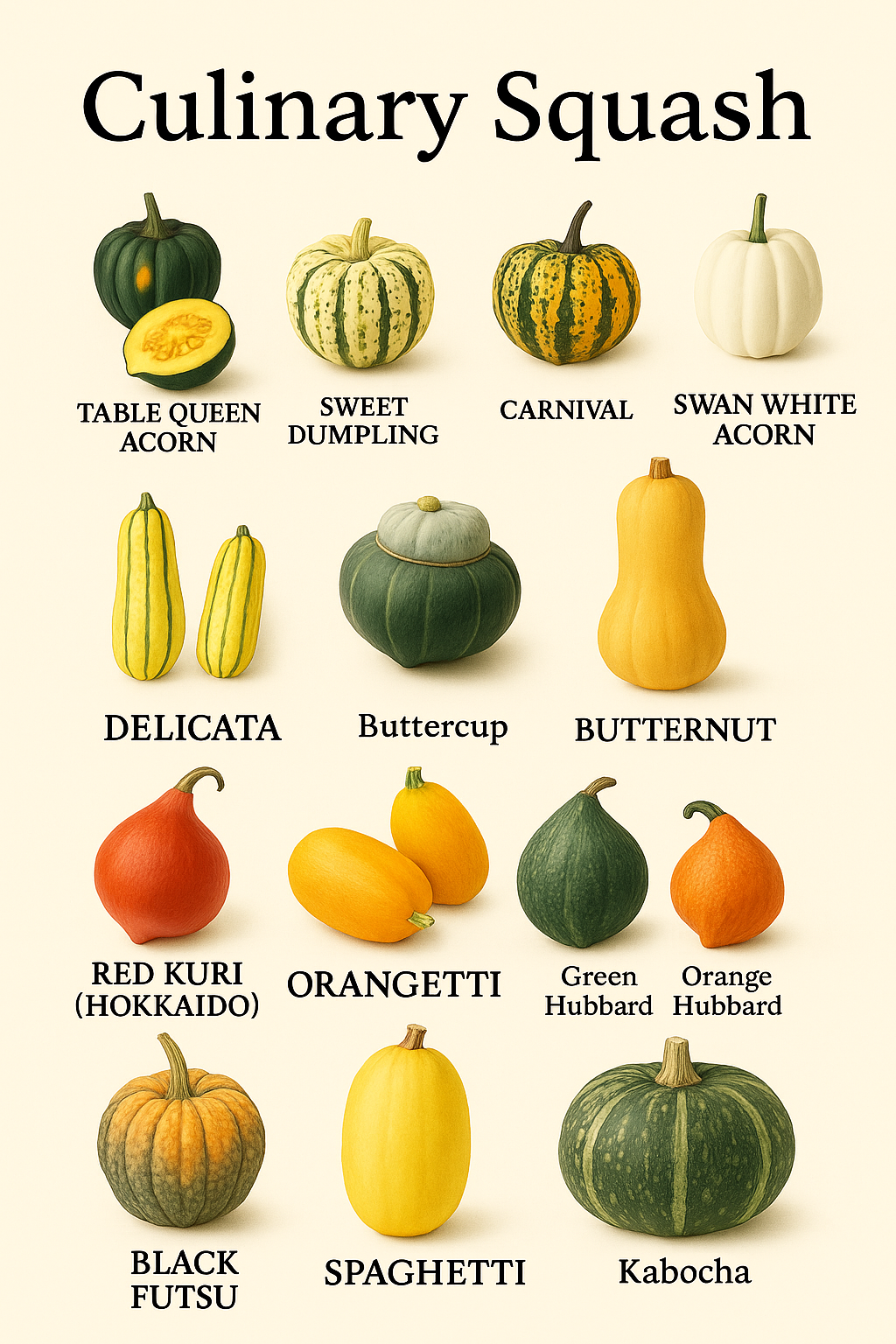
Squash feels like the big extended family that returns when the weather cools down. Zucchini and pattypan squash are the summer cousins, but once the leaves start to change, the hearty Fall and Winter Squash take the spotlight. Think butternut, acorn, kabocha, spaghetti squash, and more. These varieties are naturally dense and flavorful, and each one brings something different to the table.
The thick skins on Fall and Winter Squash make them ideal for long storage, which means you can pull one from the pantry in December and still enjoy a fresh, comforting meal. They fill the kitchen with warmth and rich aroma whether roasted, blended into soups, layered into casseroles, or tossed on a sheet pan for an easy weeknight dinner. They are the cozy flavors that carry us through the cold months and make seasonal cooking feel both nourishing and enjoyable.
Squash Guide: Variety, Flavor Notes, Storage
Pumpkin Explained
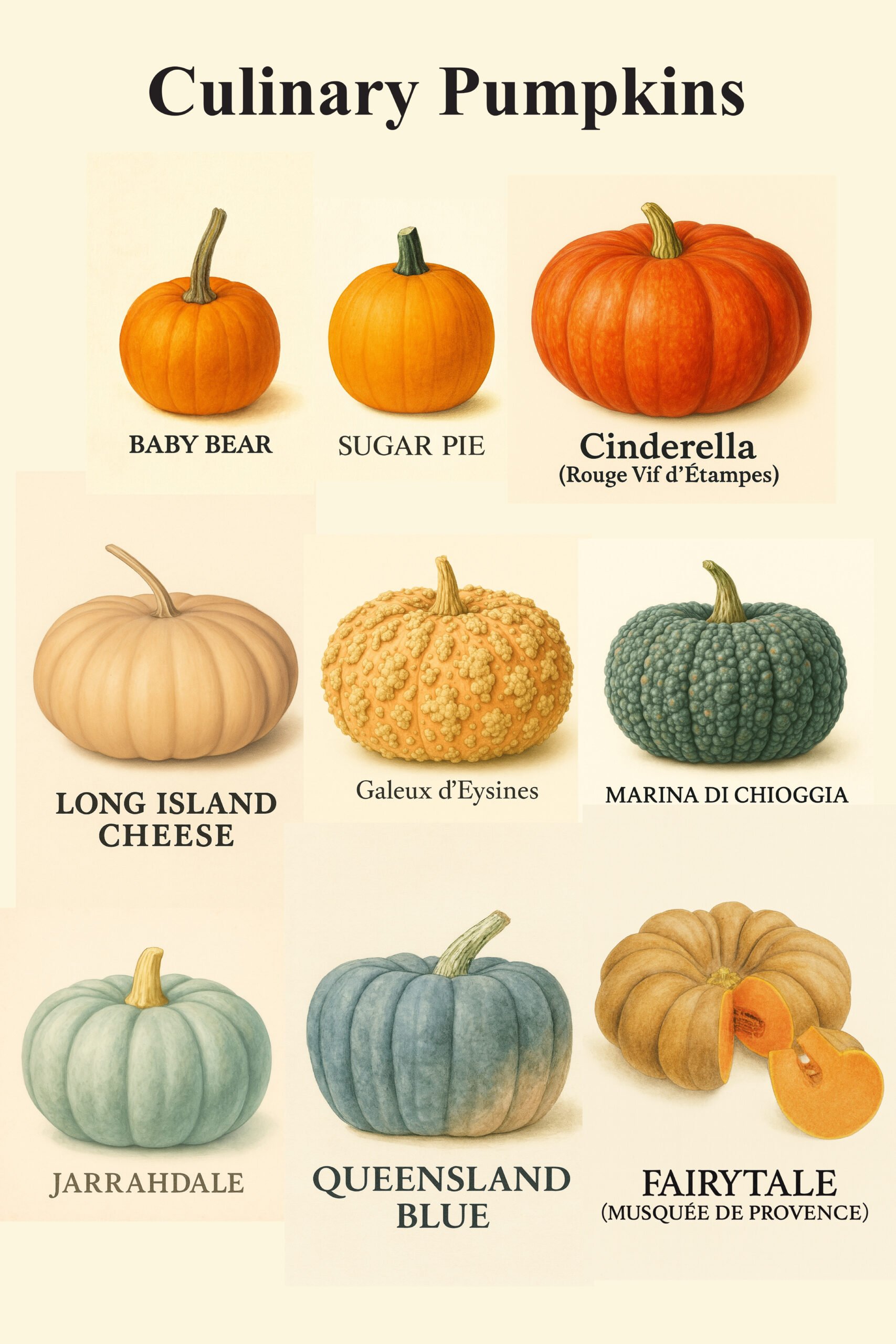
Pumpkins are part of that same winter squash family, but they’re the ones that steal the spotlight every fall. When you think pumpkin, you probably picture round, ribbed, and bright orange, but heirloom varieties also come in shades of blue-gray, sage green, and creamy tan. Beyond their looks, pumpkins are loved for their smooth, sweet flesh that makes the dreamiest pies, hearty soups, and roasted side dishes. Pumpkins may be just one branch of the squash family tree, but in the fall and winter kitchen, they’re the star everyone waits for.
Pumpkins Guide: Variety, Flavor Notes, Storage

Practical Tips on How to Select and Store Squash and Pumpkins
- Look for squash that feels heavy for its size.
- Avoid soft spots, cuts, or mold around the stem.
- Store in a cool, dark, dry place, not the fridge (except cut pieces).
Nutritional Benefits of Squash and Pumpkins
Squash and pumpkins are more than just cozy comfort foods, they’re nutrient-dense and good for you too. Use roasted squash or pumpkin purée in muffins, pancakes, or even smoothies to sneak in extra nutrients without much effort. Here’s a few nutritional reasons why they are so amazing:
- Vitamin A & Beta-Carotene: That bright orange flesh signals loads of beta-carotene, which your body turns into vitamin A. It supports healthy vision, glowing skin, and a strong immune system.
- Vitamin C: Helps keep colds at bay, supports healing, and adds an antioxidant boost.
- Fiber: Both squash and pumpkins are naturally high in fiber, which makes meals more filling, helps digestion, and balances blood sugar.
- Potassium & Magnesium: These minerals help regulate blood pressure and keep muscles and nerves working smoothly.
- Low in Calories, High in Flavor: Their natural sweetness means you can enjoy them roasted or in soups without needing heavy sweeteners or fats.
Let's Cook with the Harvest
Here are a few bite-sized ideas on how to use your fall-winter squash and pumpkins:
Now that you've met some of the wonderful varieties of fall and winter squash and pumpkins, it's time to bring them into your kitchen. Delicata squash become beautifully caramelized in a Delicata Squash Salad, while sweet butternut transforms into a silky Roasted Butternut Squash Soup that's perfect for a chilly evening. If pumpkins are calling your name, learn how easy it is to make Homemade Pumpkin Purée, then put it to work in Pumpkin Streusel Breakfast Cake, a creamy Pumpkin Cheesecake with Brown Butter Graham Crust, savory Pumpkin Hummus, hearty Pumpkin Red Lentil Soup, or a comforting bowl of Roasted Poblano Pumpkin Soup.
And while zucchini belongs to summer rather than fall, it reminds us that every squash has its own season to shine. If you happen to have a few tucked away, my Chocolate Zucchini Cake is one more delicious way to celebrate this remarkable family of vegetables. I hope you'll keep exploring the harvest with me, one season, one ingredient, and one recipe at a time.
Looking for more culinary guides, check out A Cook's Guide to Dried Chiles: Types, Flavor, Heat, and How To Choose the Right One

Meet the Farms Who Grow Squash and Pumpkins
Plainville Farm - Nestled on 135 acres in Hadley, Massachusetts, Plainville Farm has been run for three generations by the Czajkowski family, and each autumn they switch gears into full winter-squash and pumpkin mode, growing butternut, acorn, spaghetti squash and heirloom sugar pumpkins alongside their spring and summer crops. Their commitment to integrated pest management and partial organic practices means the squash you pick up from the farm stand has been tended with care and tradition, and when you’re roasting a kabocha or carving a “Baby Bear” pumpkin from their bins, you’re tasting both the earth of the Pioneer Valley and a family’s legacy of harvest and stewardship.
Maybe Farms Pumpkins - Nestled in South Jordan, Utah, Mabey Farms has been growing roots since 1884 and today welcomes visitors onto its 16-acre pumpkin patch where over 45 unique pumpkin varieties ripen under the autumn sun. Every fall they invite families and food lovers alike to wander the fields, pick the perfect pumpkin for pie or carving, and soak up the legacy of a true Utah “Century Farm.” With photo-worthy settings including a barn-wood backdrop, giant hay rake and straw bales, it’s not just about the harvest, it’s about connecting harvest traditions with community, fun, and fresh seasonal storytelling.
Cultural and Culinary Heritage
From festive American traditions to Indigenous farming wisdom and heirloom treasures from Europe and Asia, pumpkins and squash carry stories that connect us to history, culture, and the global table.
Pumpkins in American Fall Traditions
In the United States, pumpkins are woven into the fabric of fall. They light up porches as Halloween jack-o’-lanterns, fill pie crusts on Thanksgiving tables, and overflow from farmers’ markets as the season’s favorite decoration. Beyond their cheerful orange glow, pumpkins symbolize harvest, abundance, and the cozy comforts of autumn cooking.
Squash as an Indigenous North American Food
Long before pumpkin spice lattes, Indigenous peoples of North America cultivated squash as part of the “Three Sisters” crops, grown alongside corn and beans. This planting method provided a balanced diet and sustained communities for generations. Squash’s ability to store through the winter made it an essential food source, deeply tying it to both survival and tradition.
Heirloom Varieties from Around the World
While pumpkins and squash are native to the Americas, heirloom varieties have traveled far and found new homes in global kitchens. The French Rouge Vif d’Étampes (Cinderella pumpkin) brings rustic elegance to soups and roasts, Japan’s nutty-sweet kabocha is prized for tempura and stews, and Italy’s Marina di Chioggia, with its knobby teal rind, has become a beloved ingredient in pasta and gnocchi. Each heirloom tells a story of migration, adaptation, and the way food carries culture across borders.


Leave a Reply